Entering the field of aesthetic medicine requires a strong foundation of knowledge and hands-on practice. As the demand for non-invasive cosmetic procedures continues to grow, selecting the right educational program becomes a pivotal decision for any medical professional.
Choosing the appropriate training will determine not only your technical proficiency but also your ability to provide safe and effective outcomes for your future patients.
With numerous options currently available in the marketplace, it is necessary to evaluate programs with a critical eye to ensure your investment leads to genuine career growth. Here are four essential factors to keep in mind when exploring various botox courses to find the best match for your skill level.
Prioritizing Hands-On Clinical Experience
The most critical component of any aesthetic training is the opportunity to practice techniques under direct supervision. Theoretical knowledge is important, but true mastery is only achieved through repetitive, practical application.
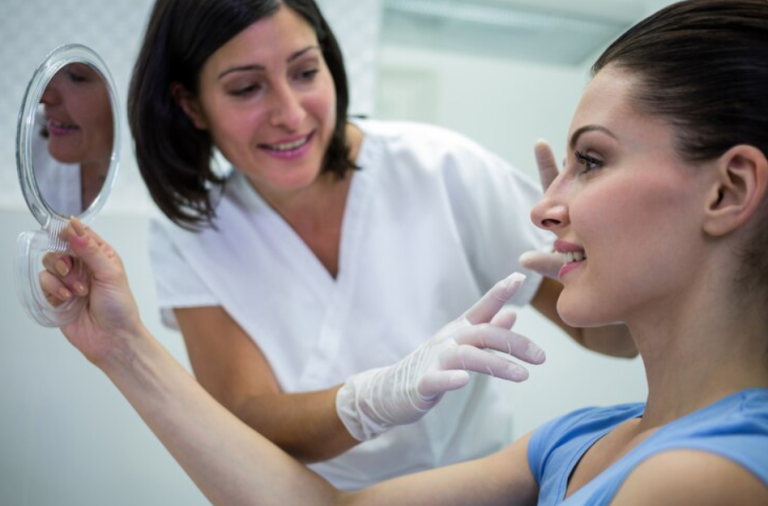
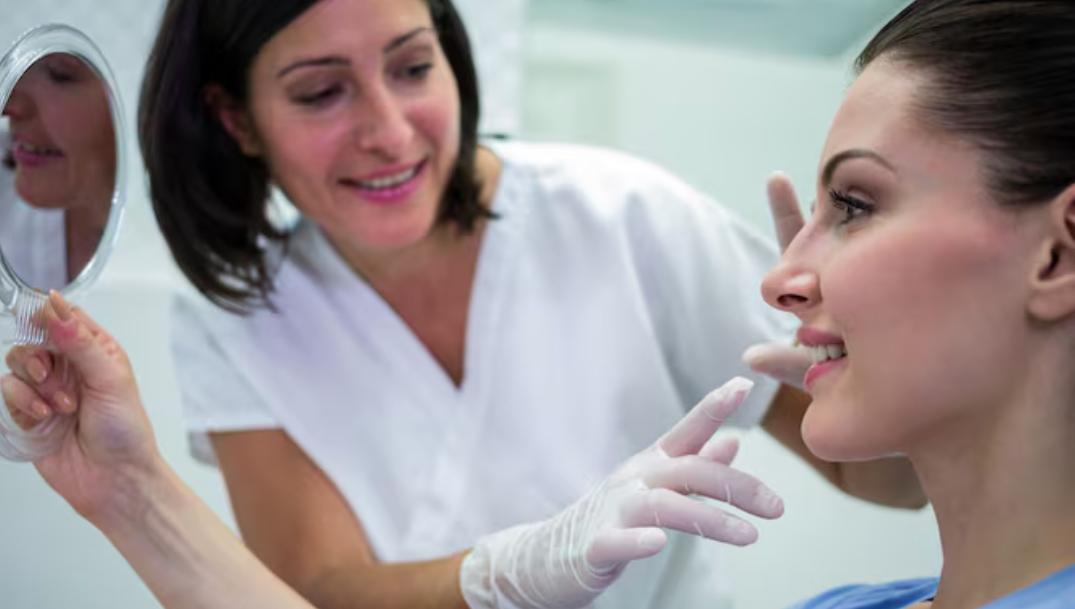
When you research botox courses, verify that the curriculum offers significant time dedicated to live models. You need to observe how different facial structures react to injections and learn to navigate potential complications in a controlled environment.
A program that emphasizes a high ratio of faculty to students ensures that you receive personalized feedback, which is vital for building the confidence necessary to perform these procedures independently in your own practice.
Evaluating the Credentials of the Instructors
The quality of your education is directly tied to the expertise of the trainers delivering the content. Look for programs led by highly experienced board-certified dermatologists, plastic surgeons, or aesthetic nurses who have a proven track record in the industry.
It is beneficial to choose botox courses that provide insight into the nuance of facial anatomy rather than just standard injection sites. Experienced instructors can share real-world experiences, discuss common mistakes, and teach you how to achieve natural-looking results.
When instructors are actively engaged in the field, they are more likely to stay updated on the latest industry standards and safety protocols.
Understanding the Breadth of the Curriculum
A comprehensive training program should cover more than just the basics of needle placement. The best curriculum includes an in-depth review of facial anatomy, patient assessment techniques, and the management of adverse effects.
Furthermore, it should provide guidance on how to conduct thorough patient consultations, helping you manage expectations and assess client suitability. When you compare different botox courses, ensure that they address the full cycle of patient care.
This includes pre-procedure preparation, the actual injection technique, and the critical post-procedure follow-up care that keeps patients safe and satisfied long after they leave your office.
Reviewing Accreditation and Certification Standards
In the aesthetic industry, the reputation of your certification holds significant weight. Before enrolling, investigate the accreditation of the provider and ensure that the certificate you receive is recognized by relevant medical boards or professional associations.
Professional validation acts as a signal of quality to both your future patients and potential employers. High-quality training programs are usually transparent about their accreditation status and the regulatory standards they uphold.
Verification is a fundamental step in ensuring that the time and money you invest will truly enhance your professional standing in the competitive medical marketplace.