Choosing the right welding machine is important for achieving strong, clean, and reliable results. While new equipment can be costly, used welder equipment can offer a practical and budget-friendly solution for individuals, workshops, and businesses. However, buying used equipment requires careful consideration. By understanding your needs and checking the machine properly, you can find equipment that offers dependable performance without spending too much.
Understand Your Welding Requirements
Before choosing used welder equipment, think about the type of welding work you usually perform. MIG welding is often suitable for general fabrication and repair jobs, while TIG welding is preferred for precise and detailed work. Stick welding can be a useful option for outdoor projects and thicker materials.
The materials you work with also matter. Steel, stainless steel, and aluminum may require different settings and welding processes. Consider the thickness of your materials as well. Choosing a machine with the appropriate power range will help you complete your work efficiently.
Inspect Used Welder Equipment Carefully
The condition of used welder equipment should always be checked before making a purchase. Look closely at the machine for cracks, excessive rust, damaged cables, loose connections, or signs of overheating. Normal scratches and small marks may not be serious, but major physical damage could indicate poor maintenance or heavy use.
Ask the seller about the equipment’s age and previous use. If maintenance records or repair information are available, review them carefully. A machine that has received regular maintenance is generally a better choice than one that has been neglected.
Test the Welding Performance
Testing the equipment before buying it can help you avoid unexpected problems. If possible, switch the welder on and check whether it starts smoothly. Pay attention to unusual noises, smoke, sparks, or warning indicators.
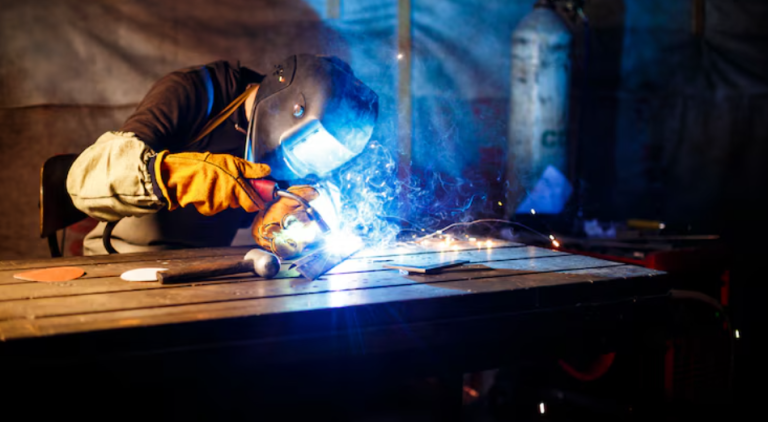
A test weld can provide even more useful information. Check whether the arc is stable and whether the machine maintains consistent power during welding. If the weld looks uneven or the machine struggles to maintain the arc, there may be an underlying issue that requires repair.
Check Power and Important Features
Make sure the welder is compatible with the electrical supply in your workplace. Check its voltage, amperage range, duty cycle, and other technical specifications. The machine should have enough power for your regular welding projects without being unnecessarily large or expensive.
Consider features that can make welding easier, such as adjustable settings, thermal protection, digital controls, or portability. Choose features based on your actual needs rather than paying more for functions you may rarely use.
Compare Price, Quality, and Value
Price is an important factor when purchasing used welder equipment, but it should not be the only consideration. Compare the machine’s price with its age, condition, brand, specifications, and expected performance.
Research similar equipment to understand its typical market value. You should also consider the availability and cost of replacement parts and consumables. A slightly more expensive machine in better condition may save you money on repairs over time.
Make a Careful Buying Decision
Once you have inspected and tested the equipment, take time to compare your options. Avoid rushing into a purchase simply because the price appears attractive. Ask questions about the machine’s history and make sure its specifications match your work.
A reliable seller who provides clear information about the equipment can also make the buying process easier. When possible, choose equipment that has a clear service history and can still be supported with replacement parts.
Conclusion
Choosing used welder equipment can be a smart way to obtain reliable welding capabilities at a lower cost. The best choice depends on your welding requirements, the machine’s condition, its performance, and its overall value. By inspecting the equipment carefully, testing it before purchase, and comparing different options, you can select a used welder that meets your needs and supports your welding projects effectively.