
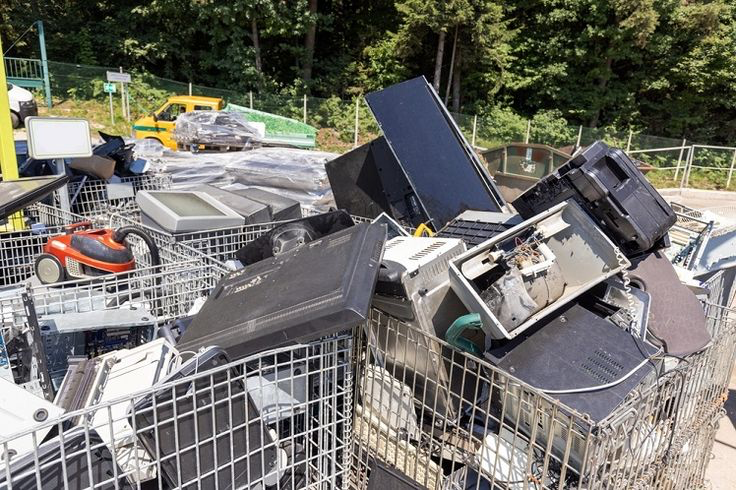
Old phones, laptops, and appliances pile up faster than we can recycle them. Electronic waste, often called e-waste, is more than just clutter. Improper disposal of these items can have serious effects on the environment. From soil contamination to water pollution, every careless action adds up. Understanding the impacts of electronic waste disposal is essential for keeping our planet safe.
The Role Of Electronic Waste Disposal In Pollution Control
Electronic waste disposal involves collecting, processing, and recycling old electronics safely. When done correctly, it prevents hazardous materials like lead, mercury, and cadmium from leaking into the environment. Poor disposal methods, however, allow these toxic substances to seep into soil and water. Communities near informal dumping sites often face higher health risks. Proper electronic waste disposal is therefore crucial for reducing environmental contamination and safeguarding public health.
Toxic Components Released From Improper Disposal
Many electronic devices contain metals and chemicals that are harmful when released into the environment. Lead from old screens, mercury from batteries, and brominated flame retardants in circuit boards all pose serious dangers. When electronics are dumped in landfills, these substances can contaminate nearby ecosystems. Animals ingest harmful metals, and humans face exposure through soil and water. Understanding these risks emphasizes why careful electronic waste disposal is more than just responsible—it’s necessary.
Environmental Safety Risks From E-Waste Accumulation
Accumulating e-waste in uncontrolled areas can cause long-term environmental damage. Piles of discarded electronics not only take up space but also increase the likelihood of fires, chemical leaks, and air pollution. Burning e-waste releases toxic fumes that affect air quality and contribute to global warming. Electronic waste disposal that follows strict environmental guidelines helps prevent these hazards and ensures cleaner, safer surroundings.
Recycling Methods Enhancing Electronic Waste Disposal
Recycling is at the heart of effective electronic waste disposal. Metals like copper, gold, and aluminum can be recovered and reused, reducing the need for mining. Advanced recycling techniques also safely remove hazardous substances. Many countries have started formal e-waste collection programs that prevent illegal dumping. By adopting these methods, society can significantly reduce the negative impact of discarded electronics on the environment while promoting a circular economy.
Community Participation And Awareness
Environmental safety depends not just on policy but on public participation. Awareness campaigns encourage individuals to dispose of old electronics responsibly. Local drop-off centers and take-back schemes make it easier for people to recycle devices instead of throwing them away. Educating communities about electronic waste disposal creates a culture of responsibility. When more people engage, the collective effect on environmental safety becomes substantial.
Technological Advancements Supporting Safe Disposal
Technology itself can help solve the e-waste problem. New designs focus on longer-lasting products and easier recycling. Smart disposal systems track electronic waste and ensure it reaches certified recycling facilities. Innovations in material science allow for safer alternatives to toxic metals. These advancements make electronic waste disposal more efficient and environmentally friendly, showing that technology can both cause and solve environmental challenges.
Conclusion
Electronic waste disposal is not just a technical task—it is an environmental responsibility. Every gadget discarded improperly has the potential to harm ecosystems and human health. By following safe disposal practices, recycling responsibly, and raising awareness, communities can protect environmental safety. The future of our planet depends on the choices we make today. Careful attention to electronic waste disposal ensures that progress in technology does not come at the cost of our environment.