
A commercial HVAC system is the backbone of any business environment, ensuring comfort, air quality, and productivity. Proper maintenance is crucial to keep the system running efficiently, prevent costly breakdowns, and extend equipment lifespan. By implementing regular upkeep and working with professional services and contractors, businesses can safeguard operations and maintain a comfortable environment for employees and clients alike.
Schedule Routine Inspections
Regular inspections are the first step in maintaining a commercial HVAC system. Checking filters, coils, belts, and electrical connections helps identify issues early. Routine inspections prevent minor problems from escalating into major failures, ensuring consistent performance and minimizing downtime.
Rely on Professional Commercial HVAC Services
Commercial HVAC services provide specialized expertise in system cleaning, performance testing, and efficiency optimization. They address common problems such as clogged filters, worn-out components, and airflow issues. Partnering with professional services ensures that maintenance is thorough, up-to-date, and aligned with industry standards, keeping the system operating at peak efficiency.
Work with Experienced Commercial HVAC Contractors
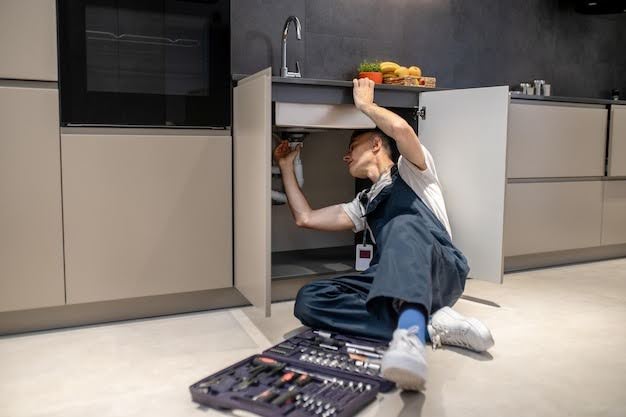
Commercial HVAC contractors bring in-depth knowledge of large-scale systems, zoning requirements, and building-specific challenges. They can perform repairs, upgrades, and preventative maintenance with precision. Establishing a relationship with trusted contractors ensures reliable support and informed recommendations for long-term system health.
Maintain Clean Filters and Airflow Systems
Dirty filters and blocked vents reduce airflow and force the system to work harder. Regularly replacing or cleaning filters and clearing obstructions ensures efficient operation, improves air quality, and reduces energy consumption. Proper airflow also maintains even temperatures throughout the building.
Monitor System Performance
Tracking system performance, energy consumption, and temperature consistency helps detect inefficiencies early. Unusual spikes in energy use or uneven heating and cooling indicate maintenance needs. Monitoring allows timely intervention, saving energy and preventing costly repairs.
Address Repairs Promptly
Delaying repairs can exacerbate problems and reduce system lifespan. Unusual noises, frequent cycling, or inconsistent temperatures should be addressed immediately by commercial HVAC contractors. Prompt repairs prevent further damage and ensure safe and reliable operation.
Maintain Coils and Components
Accumulation of dirt and debris on coils and other components decreases efficiency. Regular cleaning enhances heat exchange, reduces strain on the system, and supports consistent performance. Clean components also contribute to better indoor air quality, which is essential in commercial spaces.
Ensure Proper Calibration and Controls
Thermostats, sensors, and control systems must be correctly calibrated to maintain consistent temperatures and energy efficiency. Professional contractors ensure that controls are accurate and functioning properly, supporting optimal system operation across multiple zones.
Plan Seasonal Maintenance
Preparing the system for seasonal changes reduces the risk of failure during peak demand. Seasonal checks by commercial HVAC services ensure the system can handle increased loads efficiently, maintaining comfort and preventing emergency repairs.
Keep Detailed Maintenance Records
Documenting inspections, repairs, and service schedules helps track system health and compliance with warranties or safety regulations. Records also allow HVAC contractors to provide more accurate recommendations for repairs or upgrades.