
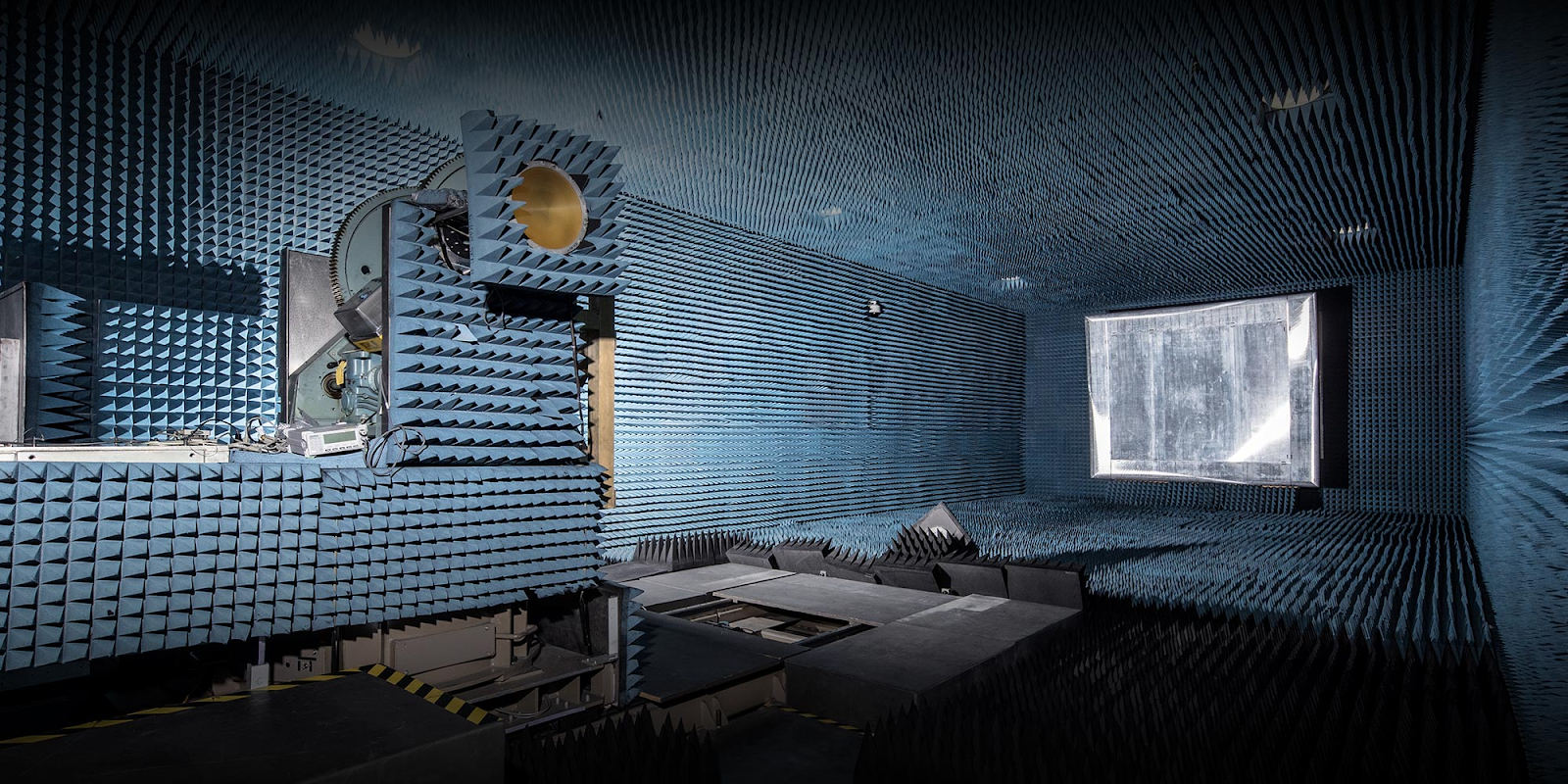
Radar systems play a crucial role in modern technology, from aviation and maritime navigation to defense and weather monitoring. The efficiency of a radar system largely depends on the performance of its antenna. Antenna testing is a critical process that ensures radar systems operate with accuracy, reliability, and optimal efficiency. By carefully analyzing the antenna’s performance, engineers can identify and correct potential issues, which ultimately improves the overall capability of modern radar systems.
Understanding Antenna Testing
Antenna testing refers to the process of evaluating the characteristics and performance of an antenna. In radar systems, antennas are responsible for transmitting and receiving electromagnetic signals. If the antenna is not functioning correctly, the radar may produce inaccurate readings or fail to detect objects efficiently. Through antenna testing, engineers can measure parameters such as gain, radiation pattern, bandwidth, and efficiency. This allows them to verify that the antenna meets the desired specifications and is suitable for the intended radar application.
Ensuring Accurate Signal Transmission
One of the primary goals of antenna testing is to ensure accurate signal transmission. Modern radar systems rely on precise signals to detect objects, calculate distances, and determine speeds. If an antenna has defects or is not correctly aligned, the transmitted signal may weaken or scatter, leading to errors in radar detection. Antenna testing identifies these weaknesses by analyzing how the antenna radiates signals in different directions. This information helps engineers adjust the antenna design or placement to improve signal strength and coverage, ensuring that the radar system delivers accurate and reliable data.
Optimizing Radar Range and Detection
Antenna performance directly affects the range and detection capabilities of radar systems. An antenna that is inefficient or poorly tested may limit the radar’s ability to detect distant objects or small targets. Antenna testing allows engineers to evaluate the directional properties and gain of the antenna. By doing so, they can optimize the radar’s range and sensitivity. Properly tested antennas enhance the ability of radar systems to detect objects in challenging environments, such as bad weather or areas with heavy electromagnetic interference, making them more effective and reliable in real-world applications.
Reducing Signal Interference
Signal interference can greatly reduce the performance of radar systems. Interference may come from external sources or from imperfections within the radar itself. Antenna testing helps identify how the antenna interacts with unwanted signals and reflections. Engineers can use this information to design antennas that minimize interference and maintain a clear signal. By reducing signal noise, radar systems can provide more precise readings, which is especially important in critical applications such as air traffic control, military defense, and meteorology.
Supporting Advanced Radar Technologies
Modern radar systems use advanced technologies, including phased arrays and multiple-input multiple-output (MIMO) configurations. These complex antennas require careful testing to ensure all elements function correctly and work together. Antenna testing helps engineers verify the performance of these advanced designs, ensuring that the radar system achieves high resolution, fast scanning, and improved target tracking. Without thorough testing, these sophisticated systems may not perform as intended, leading to reduced efficiency or operational failures.
Conclusion
Antenna testing is a vital step in improving the performance of modern radar systems. By carefully evaluating antenna characteristics, engineers can ensure accurate signal transmission, optimize detection range, reduce interference, and support advanced radar technologies. Proper testing allows radar systems to operate efficiently and reliably, providing precise data for navigation, defense, weather monitoring, and many other critical applications. In today’s technology-driven world, antenna testing remains a key factor in maintaining the effectiveness and reliability of radar systems.