Choosing the right educational path is a fundamental step toward building a successful career in the healthcare sector.
For those passionate about cardiac health and patient care, pursuing an Associate of Applied Science degree is an excellent way to gain the technical proficiency required for this specialized field.
However, not all academic programs are created equal. Before enrolling, prospective students should carefully evaluate several key factors to ensure their chosen path aligns with their long-term professional aspirations and personal needs.
Accreditation and Industry Standards
The most important factor to consider is whether the program is properly accredited. Accreditation ensures that the curriculum meets rigorous national standards and that graduates are prepared for certification examinations.
When you research an AAS in cardiovascular technology, confirm that the institution is recognized by relevant healthcare education bodies.
Attending an accredited program not only guarantees the quality of your education but is also often a prerequisite for obtaining licensure or professional credentials, which are vital for securing employment in high-quality clinical environments.
Clinical Placement Opportunities
Theoretical knowledge must be balanced with hands-on experience. A superior program will have strong partnerships with local hospitals, clinics, and diagnostic centers, providing students with substantial clinical exposure.
During your selection process, investigate the clinical rotation requirements of the AAS in cardiovascular technology.
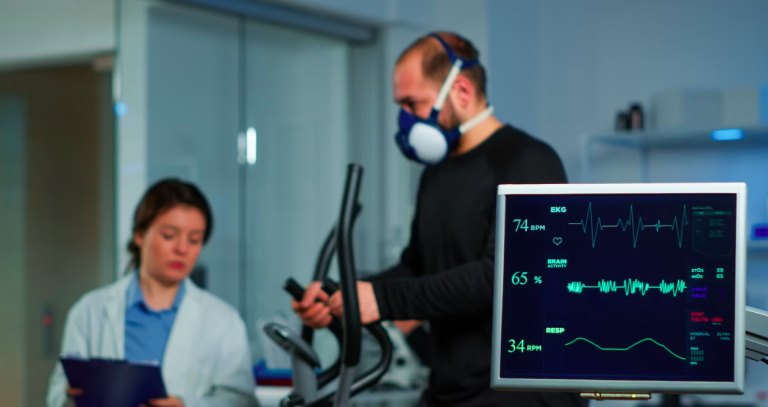
You want a program that offers diverse opportunities to work with actual diagnostic equipment, such as electrocardiogram machines and ultrasound systems, under the guidance of experienced professionals. Real-world practice is essential for mastering the technical nuances of the role.
Curriculum and Specialized Training
The field of cardiovascular science is dynamic, requiring practitioners to stay current with evolving technology. Review the curriculum to ensure it covers essential topics such as cardiac anatomy, vascular physics, and patient care protocols.
An effective AAS in cardiovascular technology should also incorporate training on the latest diagnostic software and imaging techniques.
Look for programs that frequently update their coursework to reflect recent advancements in cardiac medicine, as this ensures you remain competitive and capable in an ever-changing healthcare landscape.
Faculty Expertise and Mentorship
The quality of instruction directly impacts your learning experience. Seek out programs where the faculty consists of experienced professionals who have spent significant time working in clinical settings.
Instructors who bring real-world insights into the classroom can provide invaluable mentorship that goes beyond textbook definitions.
They can help you navigate the complexities of patient interactions and technical challenges, providing a level of guidance that is crucial for building confidence and competence before you transition into your first professional role.
Career Placement and Support Services
Your education should be a bridge to professional employment. Research whether the college offers robust career support services, such as resume workshops, interview preparation, and job placement assistance.
Programs with a strong track record of placing graduates into reputable healthcare facilities demonstrate their commitment to student success.
Considering an AAS in cardiovascular technology that includes networking opportunities with local clinical managers can give you a significant advantage when you begin your job search after graduation.
Accessibility and Program Flexibility
Finally, consider the logistical aspects of the program. Balancing studies with other responsibilities requires a degree of flexibility. Evaluate the schedule, the availability of online or hybrid coursework, and the overall cost of the degree.
A program that fits well into your life will allow you to maintain focus and academic consistency. By thoroughly weighing these six factors, you can make an informed decision that sets you on the path to a rewarding and impactful career in cardiovascular diagnostics.